
Krampus: the devilish anti-santa remains a cherished alpine christmas tradition
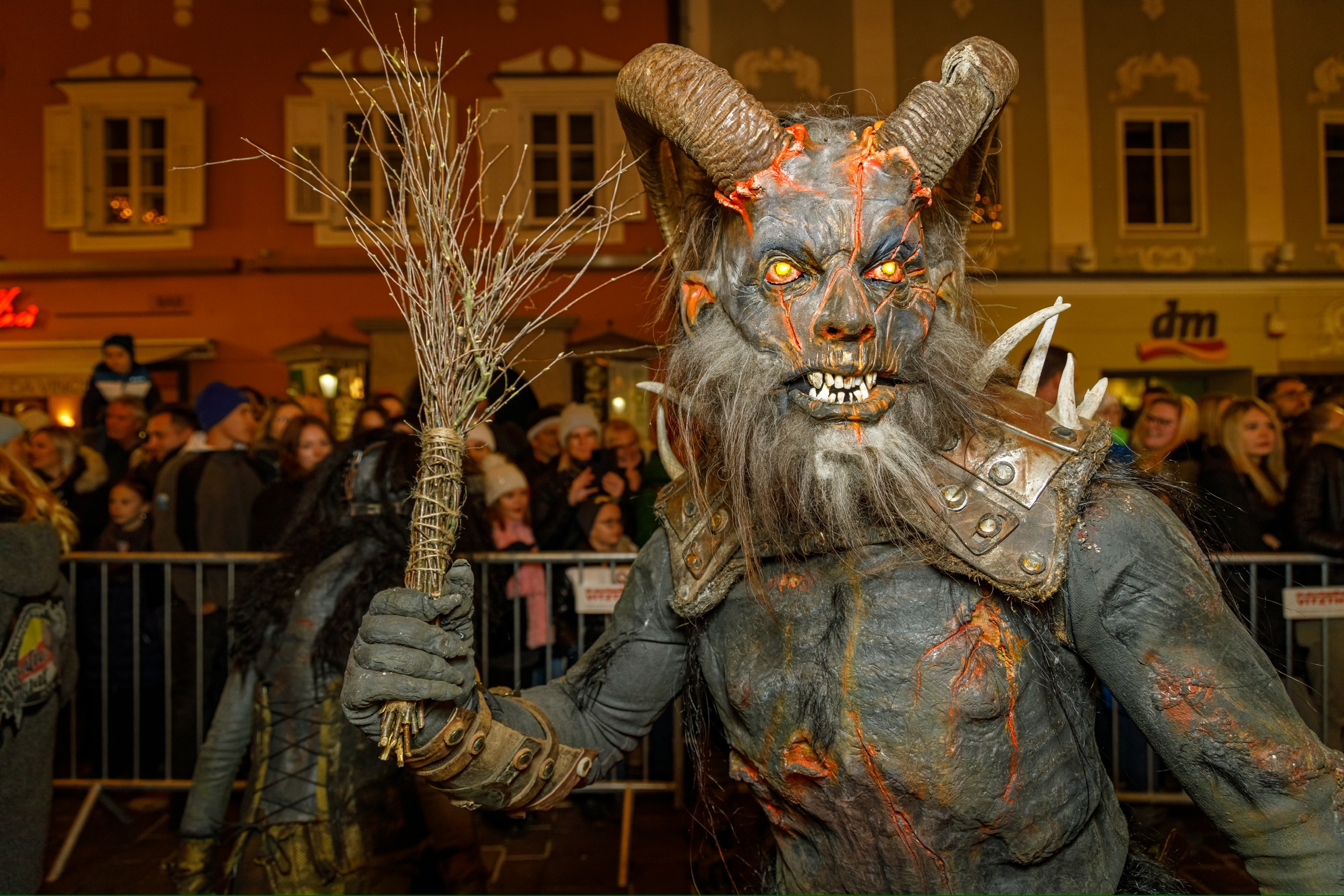
Meeting Krampus.
European Christmas markets evoke images of sparkling lights, mugs of mulled wine, and wooden chalets full of crafts and tasty treats. But in Europe’s Alpine regions, there’s a darker holiday tradition: Krampus, a horned figure who accompanies Saint Nicholas during Advent.
Northern Europeans have long celebrated St. Nicholas Day, which falls during Advent on December 6th. Depending on where you are in Europe, you might hear of children preparing for St. Nicholas's visit by leaving their shoes out to be filled with treats, but the treats hinge on good behavior.
If you're good, you may get an orange, nuts, chocolates, or small toys. If you're naughty, Krampus might come to punish you.
Who Is Krampus?
Part folklore, part cultural heritage, and part theatrical spectacle, Krampus traditionally accompanies Saint Nicholas during Advent celebrations. While Saint Nicholas rewards well-behaved children with gifts and treats, Krampus serves as St. Nick’s darker counterpart.
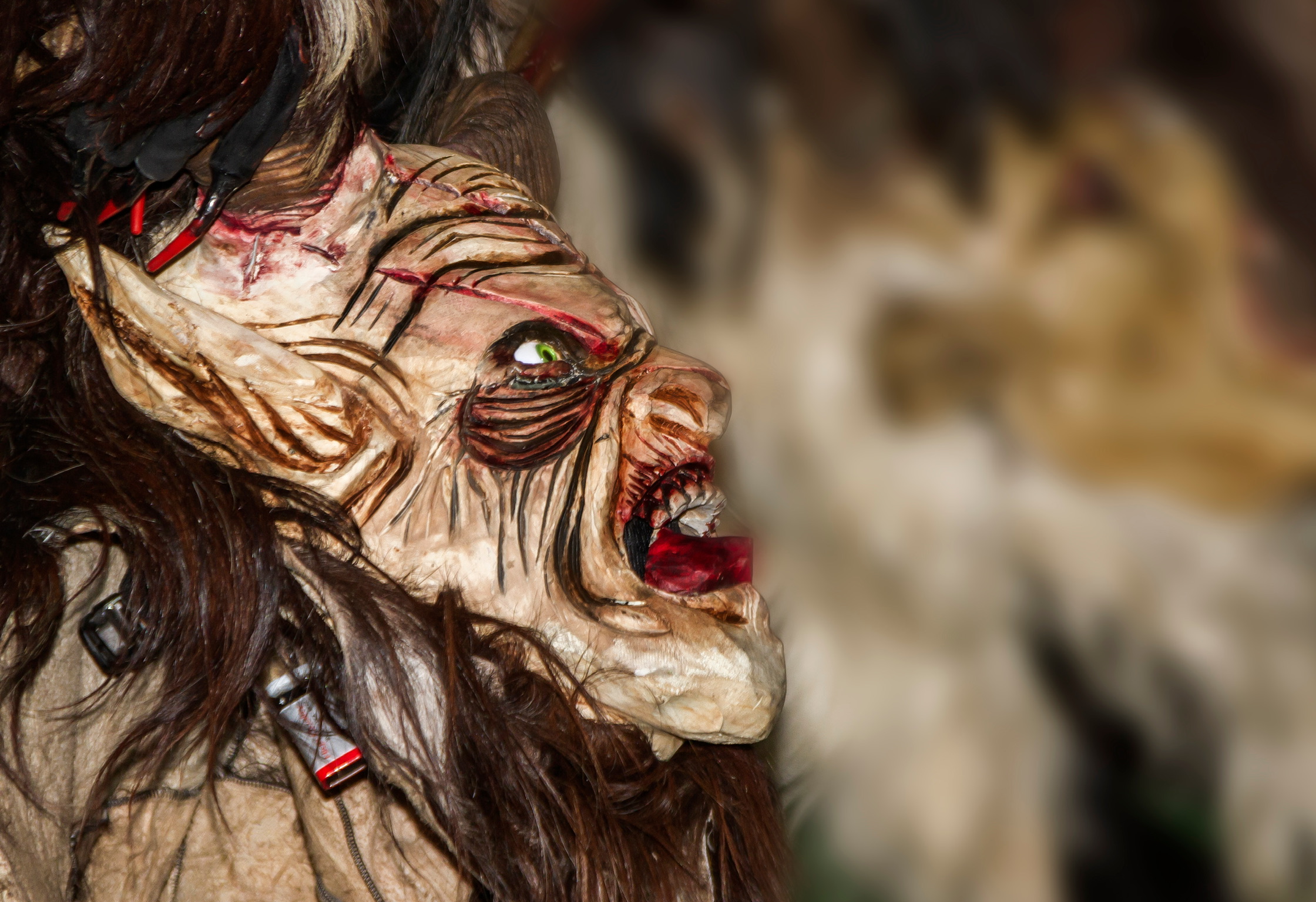
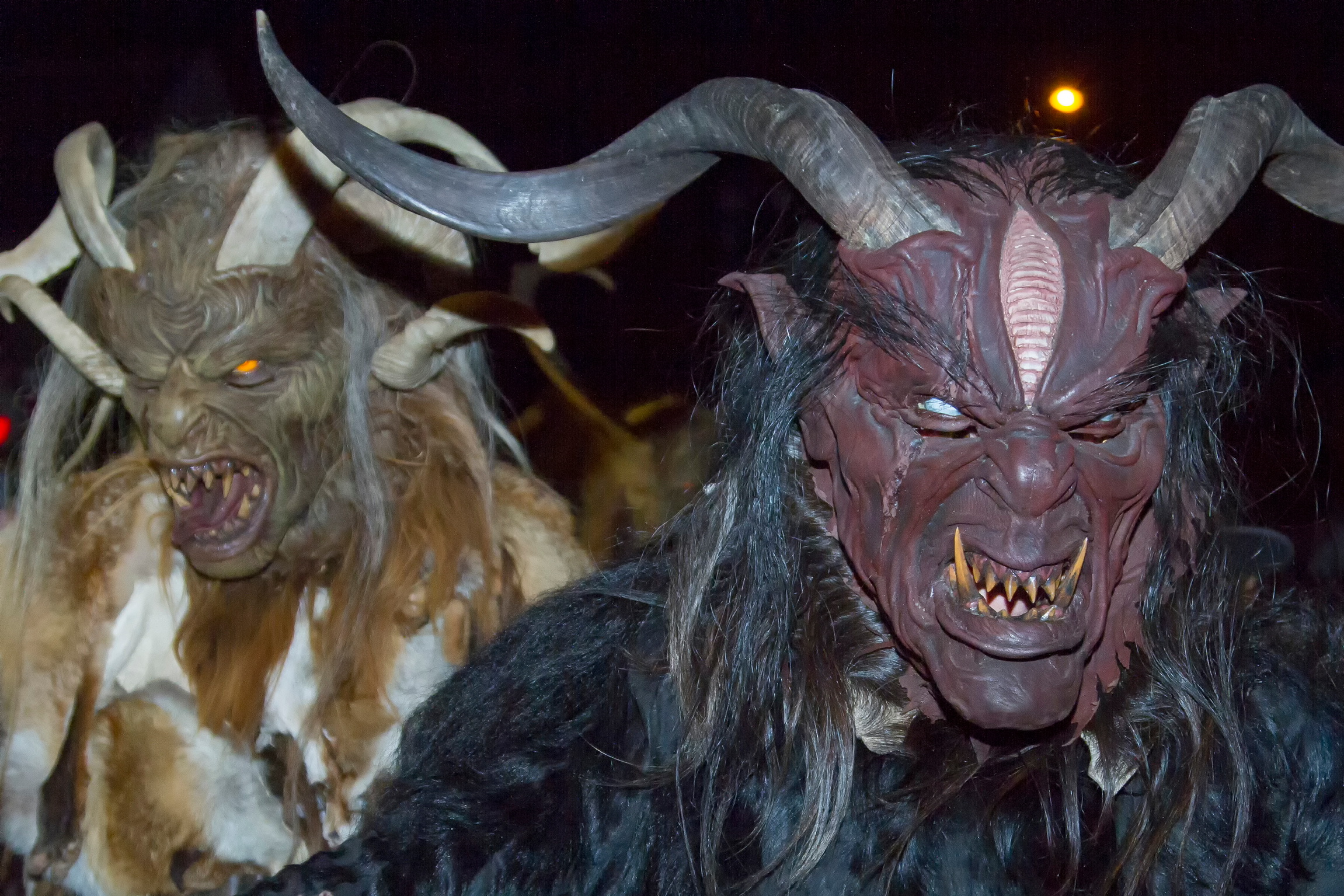
Typically portrayed with horns, shaggy fur, cloven hooves, chains, bells, and a long tongue, Krampus is said to frighten or punish misbehaving children. In traditional folklore, he often carries bundles of birch branches, symbolizing discipline and correction. In some lore, Krampus abducts naughty children on Christmas Eve. In darker versions of the tale, he eats them.
Today, Krampus is less about frightening children and more about preserving local customs, community traditions, and cultural identity throughout the Alpine region.
The History of Krampus
The exact origins of Krampus are uncertain. Some trace the beastly, goat-like Krampus back to Norse mythology. Others believe the character may have roots in pre-Christian Alpine winter traditions that were later incorporated into Christian celebrations as Christianity spread throughout Central Europe.
Over time, Krampus became associated with Saint Nicholas, creating a tradition that balanced reward and punishment. By the Middle Ages, Saint Nicholas and Krampus had become established figures in many Alpine communities. Their appearances during Advent remain a cherished part of local culture today.
Krampus is not the only anti-Santa appearing in European Christmas folklore. With his horned half-goat appearance, Krampus has more demonic characteristics than his counterpart Knecht Ruprecht. Knecht Ruprecht is less demon, more stern rule-enforcer. Ruprecht is St. Nicholas's companion, and his job is to follow St. Nicholas and punish naughty children for their insolence. Though in some lore, Knecht Ruprecht is more of a servant character who also hands out gifts.
Throughout Europe you’ll also find witches, gnomes, trolls, goblins, and goddesses among the cast of characters bringing joy, making mischief, and dispensing punishment through the Christmas season.
COUNTRIES THAT CELEBRATE KRAMPUS
Germany
In Bavaria and southern Germany, Krampus traditions remain closely linked to Saint Nicholas celebrations. Many Bavarian towns host Krampus processions and Advent events throughout early December.
Italy
In South Tyrol, a mountainous region of northern Italy with strong historical ties to Austria, Krampus remains an important part of local Christmas celebrations.
Slovenia
Slovenia also maintains a number of Krampus-related customs and winter folklore traditions, particularly in regions influenced by Alpine culture, with a character known locally as Perklji. Variations of similar winter figures and traditions can also be found in Croatia, Hungary, the Czech Republic, and other parts of Central Europe.
Austria
Austria is widely considered the heartland of Krampus culture. The tradition remains especially popular in Salzburg, Tyrol, Carinthia, Styria, and other Alpine regions where communities continue to organize annual Krampus events.
My first experience with Krampus was at Salzburg, Austria's famous Krampuslauf (literally "Krampus Run"), when multiple costumed Krampusse parade down the street and interact with the crowd.
From talking to other travelers, Krampus festivities in certain locations can get a bit out of hand, with bystanders being left bloodied and bruised by Krampus. In Salzburg, things were boisterous, and if you’re on the street, you’re fair game to get the switch. But I did not witness anything too over the top.
What Is a Krampuslauf?
During a Krampuslauf, or "Krampus Run," participants dress in elaborate handmade Krampus costumes and parade through town, ringing bells, carrying switches, and lunging towards bystanders. The atmosphere combines folklore, performance art, and holiday celebration, creating one of Europe's most unusual Christmas experiences.
Traditional Krampus costumes are often handcrafted and can require months of work. Many feature carved wooden masks, real animal horns, sheepskins, and large Alpine cowbells. Local Krampus groups, often known as "Passen," take great pride in preserving regional costume styles and traditions.
Planning a Krampus and Christmas Market
If meeting Krampus is on your must-do list, plan your visit between late November and December 6. This period offers the best opportunity to experience both traditional Christmas markets and Krampus celebrations throughout Austria and the Alpine region.
Popular destinations for Krampus events include Salzburg, Innsbruck, Zell am See, Schladming, Kitzbühel, Munich, and Berchtesgaden. I highly recommend Salzburg, Austria for your first Krampus encounter.
In Austria, December 5 marks Krampusnacht, i.e., Krampus Night, around which there is traditionally one or more Krampusläufe in Salzburg. Hoards of Krampusse maraud through the streets creating mayhem, banging huge cowbells, rattling chains, and carrying switches used indiscriminately on bystanders.
The year I attended the Krampuslauf in Salzburg’s old town, it did not disappoint. It was amusing, entertaining, enthralling, chaotic, and at times terrifying - everything I hoped it would be. Apparently I wasn’t too naughty, since I received only cuddles instead of swats from Krampus. But having swarms of Krampusse charge at me, not knowing what’s coming next, was quite the adrenalin rush.
After Krampus
After your adrenalin-spiking encounter with Krampus, treat yourself to a cocktail and relax in one of the most Christmas-y places in Salzburg, "Winterwunderwald im St Peter Stiftskulinarium."
It’s historic, incredibly atmospheric, and even Krampus would be hard pressed not to settle into one of the cozy nooks and soak it all in.
The adjoining restaurant is the oldest in Europe, dating back to 803 AD. Everything I ordered was excellent, the service friendly and attentive, and it’s decorated to the hilt for the holidays. It’s also very popular, so reserve in advance. (Reservations not accepted for Winterwunderwald in the courtyard.)
Prost!

Follow Us
PARTNER WITH US
Interested in collaborating? We work with publishers, tourism boards, travel brands, restaurants, hotels, and credit card programs.