
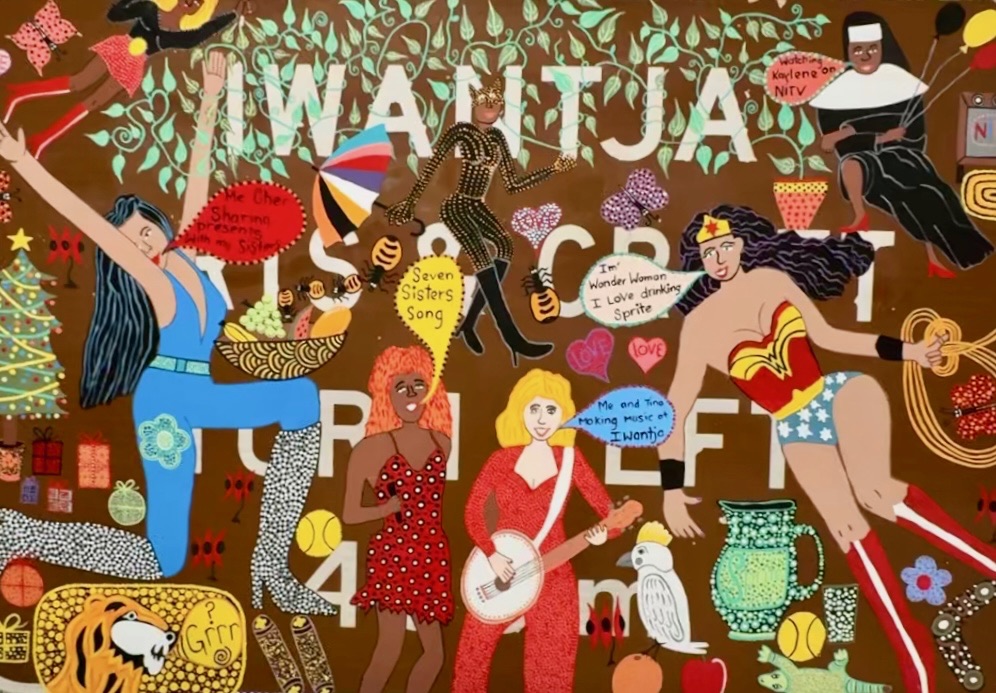
How to Look AT ABORIGINAL ART
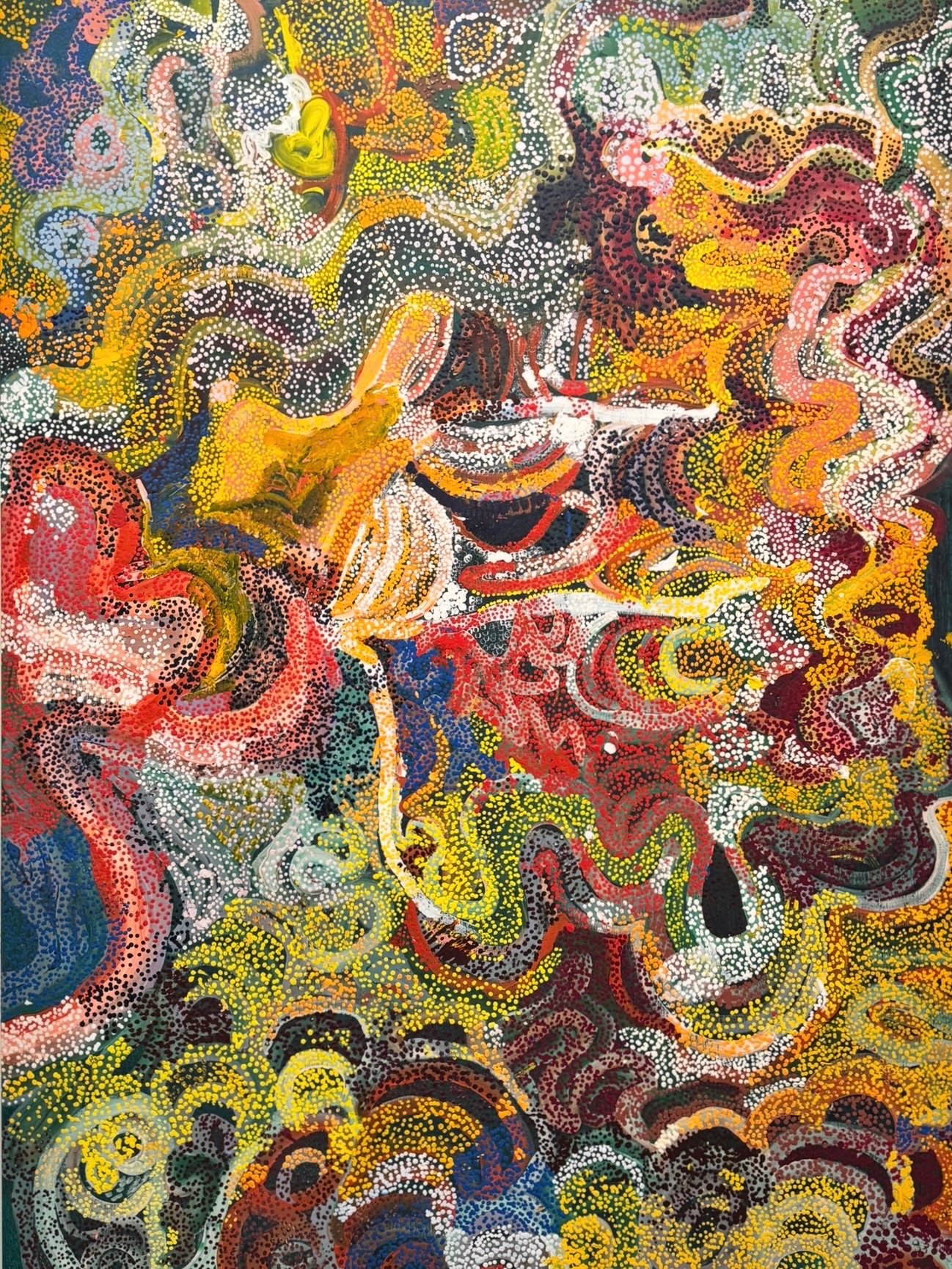
Visitors unfamiliar with Aboriginal art sometimes assume they are looking at maps, decorative patterns, or abstract designs.
While some works may contain geographic references, many operate on multiple levels simultaneously. Colors, symbols, dots, lines, and shapes can represent ancestral stories, ceremonial practices, family relationships, water sources, migration routes, or connections to Country.
The Stars We Do Not See: Discovering 65,000 Years of Indigenous Australian Culture Through Art
The Stars We Do Not See: Australian Indigenous Art offers a rare opportunity for North American audiences to explore the artistic, cultural, and spiritual traditions of Aboriginal and Torres Strait Islander peoples through more than two centuries of artistic expression rooted in cultures that stretch back tens of thousands of years. The exhibition is one of the most ambitious international presentations of Aboriginal and Torres Strait Islander art ever assembled.
For travelers, history enthusiasts, and anyone interested in Indigenous cultures, this exhibition offers far more than just a day at a museum. It provides a window into one of humanity's oldest living cultural traditions.
Understanding the Night Sky
The exhibition's title, The Stars We Do Not See, invites visitors to explore Indigenous Australians’ sophisticated understanding of the night sky developed over tens of thousands of years.
Long before telescopes or modern astronomy, Aboriginal peoples observed the movements of stars, planets, and constellations to track seasonal changes, navigate landscapes, identify food-gathering opportunities, and pass cultural knowledge between generations.
Some Indigenous cultures recognize constellations that differ entirely from those familiar to Western audiences. One of the most famous is the "Emu in the Sky," formed not by stars but by the dark spaces within the Milky Way.
The sky functions as both a calendar and a cultural archive, preserving stories, teachings, and connections to Country.
Understanding this relationship helps explain why celestial imagery and references to stars appear throughout Indigenous Australian art and storytelling.
For many communities, looking up at the night sky is also a way of looking back through thousands of years of cultural memory.
A Living Culture, Not Ancient History
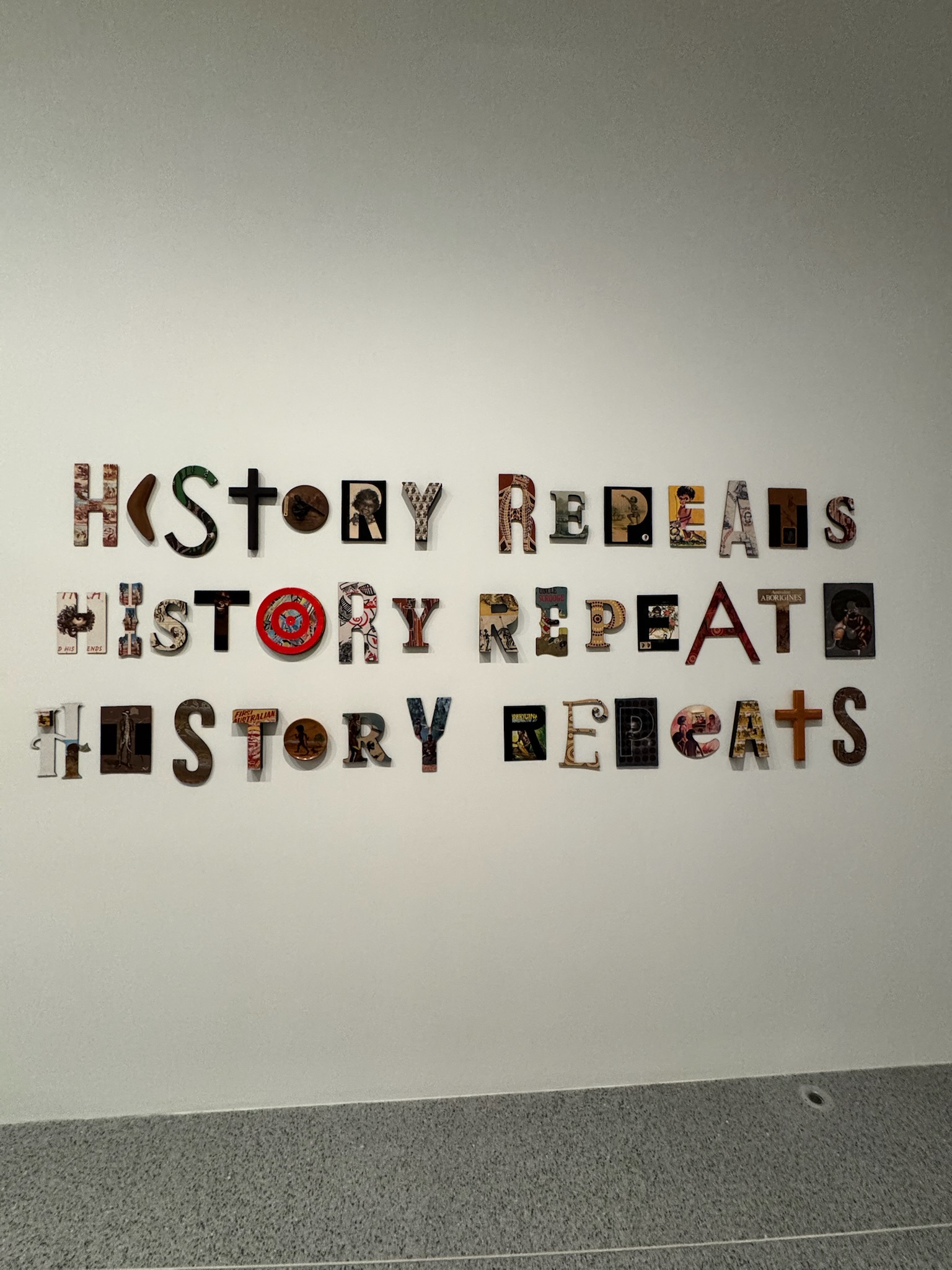
One of the exhibition's most important contributions is its challenge to a common misconception that Indigenous Australian culture belongs solely to the distant past. Instead, The Stars We Do Not See demonstrates the continuity and resilience of Aboriginal and Torres Strait Islander cultures from ancestral traditions to contemporary artistic practice.
The exhibition spans works from the late nineteenth century through the present day, showcasing how artists continue to draw upon traditional knowledge, Country, ceremony, family connections, and cultural memory while engaging with contemporary issues and artistic forms.
The title itself evokes the deep relationship many Indigenous Australian communities maintain with the sky, astronomy, storytelling, and ancestral knowledge systems. Across Australia, stars, constellations, celestial events, and seasonal cycles have long served as sources of cultural, spiritual, and practical knowledge.
What You'll See
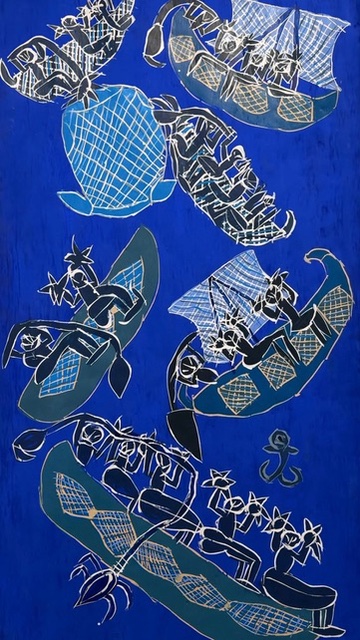
The exhibition features more than 200 works by over 130 artists representing Indigenous nations from across the Australian continent and the Torres Strait Islands. Visitors encounter a remarkable diversity of artistic styles, materials, and perspectives rather than a single "Aboriginal art" aesthetic.
Works include:
Bark paintings
Canvas paintings
Sculpture
Textiles
Prints
Photography
Video installations
Contemporary mixed-media works
Together, these pieces illustrate both regional diversity and shared cultural themes that connect Indigenous communities across Australia.
Themes That Extend Beyond Art
While visitors will encounter visually stunning works throughout the exhibition, the deeper significance lies in the stories behind them.
Many artworks reflect Indigenous concepts of:
Country (the profound relationship between people and land)
Ancestral knowledge
Creation stories
Kinship systems
Ceremony
Community responsibility
Cultural survival
Rather than presenting Indigenous culture as a historical artifact, the exhibition highlights living traditions that continue to shape contemporary Indigenous communities today.
Country — more than a place on a map
One of the most important concepts for understanding Indigenous Australian art is "Country."
To many Western audiences, the word country simply means a geographic location. In Aboriginal and Torres Strait Islander cultures, Country carries a much deeper meaning. It encompasses land, waterways, skies, plants, animals, ancestors, stories, responsibilities, and spiritual connections that link people to place.
Country is not something a person owns. Rather, people belong to Country and have responsibilities to care for it and maintain the knowledge associated with it.
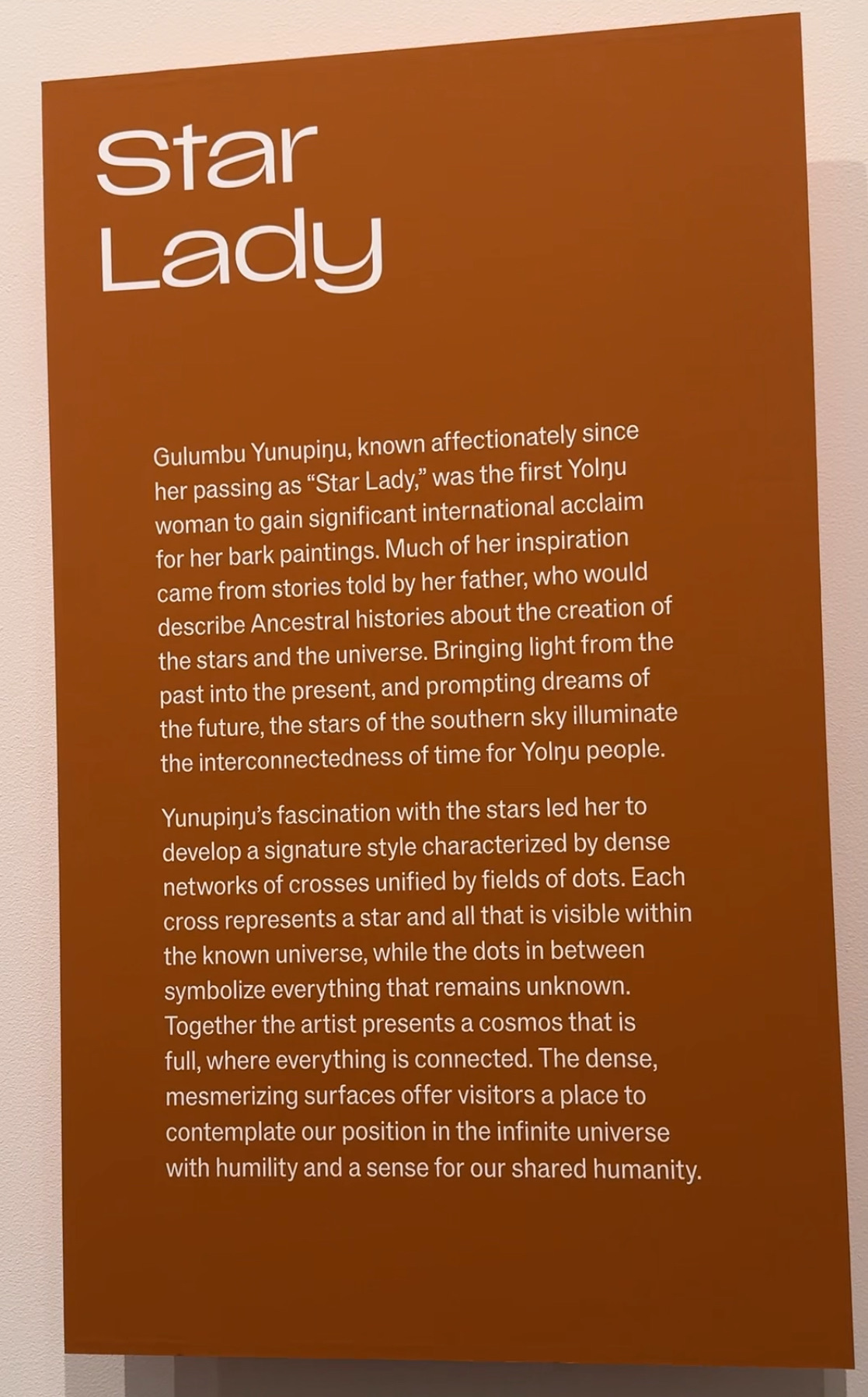
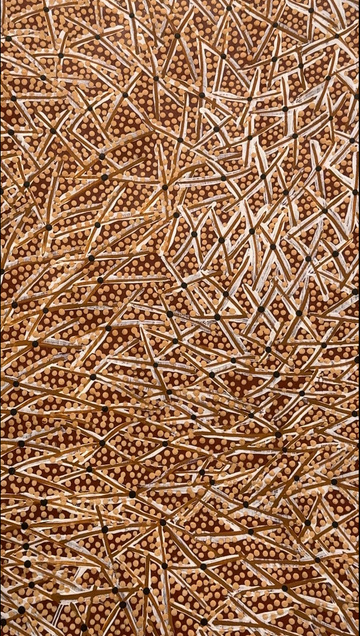
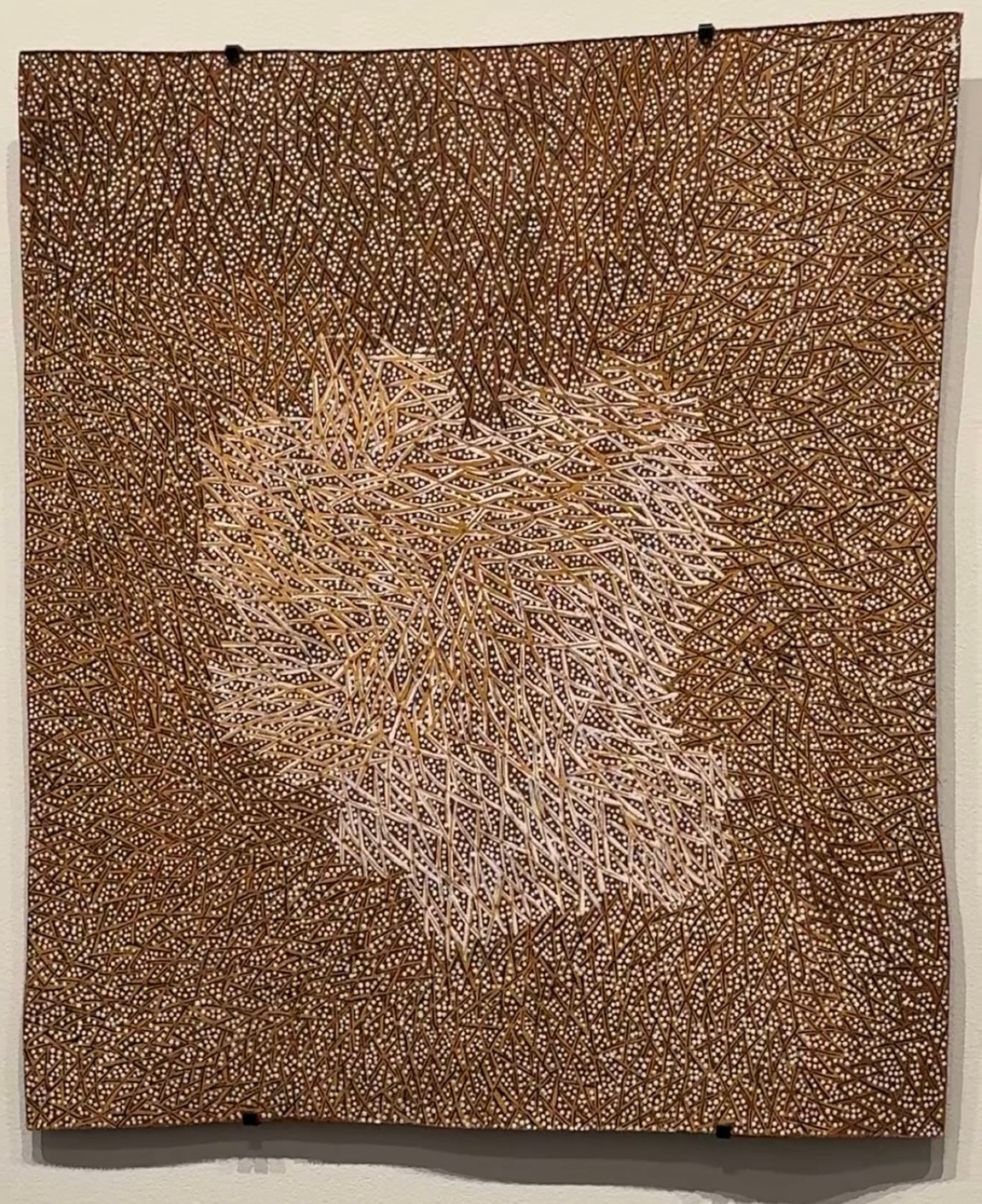
Many of the works featured in The Stars We Do Not See are expressions of an artist's relationship with Country. What may initially appear to be an abstract painting often reflects ancestral
stories, seasonal knowledge, sacred sites, family connections, or the landscape itself.
Why This Exhibition Matters
For North American audiences, opportunities to engage with Aboriginal and Torres Strait Islander art at this scale are exceedingly rare.
The exhibition arrives at a moment when museums worldwide are increasingly recognizing Indigenous voices and perspectives. It also reflects growing international interest in First Nations art and cultural knowledge systems.
Perhaps most importantly, the exhibition demonstrates that Indigenous Australian art is not a niche category but an essential chapter in global art history.
Exhibition Dates and Venues
The exhibition is currently on view at the Denver Art Museum from April 19 through July 26, 2026.
Future North American tour stops include:
| Venue | Dates |
| Portland Art Museum | September 5, 2026 – January 3, 2027 |
| Peabody Essex Museum | February 27, 2027 – June 13, 2027 |
Additional tour information is available through the exhibition organizers.
Visiting the Exhibition in Denver
Official exhibition information can be found at:
The Stars We Do Not See Exhibition Page
Visitors should allow approximately 90 minutes to two hours to fully explore the galleries.
The exhibition is included with general museum admission. The Denver Art Museum offers free admission for visitors age 18 and younger. Admission rates and museum hours may change, so visitors should confirm current information through the museum website before visiting.
Final Thoughts
The best exhibitions don't simply display beautiful objects. They move us, make us feel things, help us see the world differently. The Stars We Do Not See accomplishes exactly that.
For travelers interested in Indigenous cultures, world history, contemporary art, or Australia's First Peoples, this exhibition offers a rare opportunity to engage with one of humanity's oldest continuing cultural traditions without leaving North America.
It is, quite simply, one of the most phenomenal exhibitions that I’ve see anywhere in all of my travels (I visited while at the National Gallery of Art in Washington, DC). I’d say this is even worth going out of your way for.

Follow Us
PARTNER WITH US
Interested in collaborating? We work with publishers, tourism boards, travel brands, restaurants, hotels, and credit card programs.